-
فهرست مطالب
The Difference Between Typography, Typeface, and Font
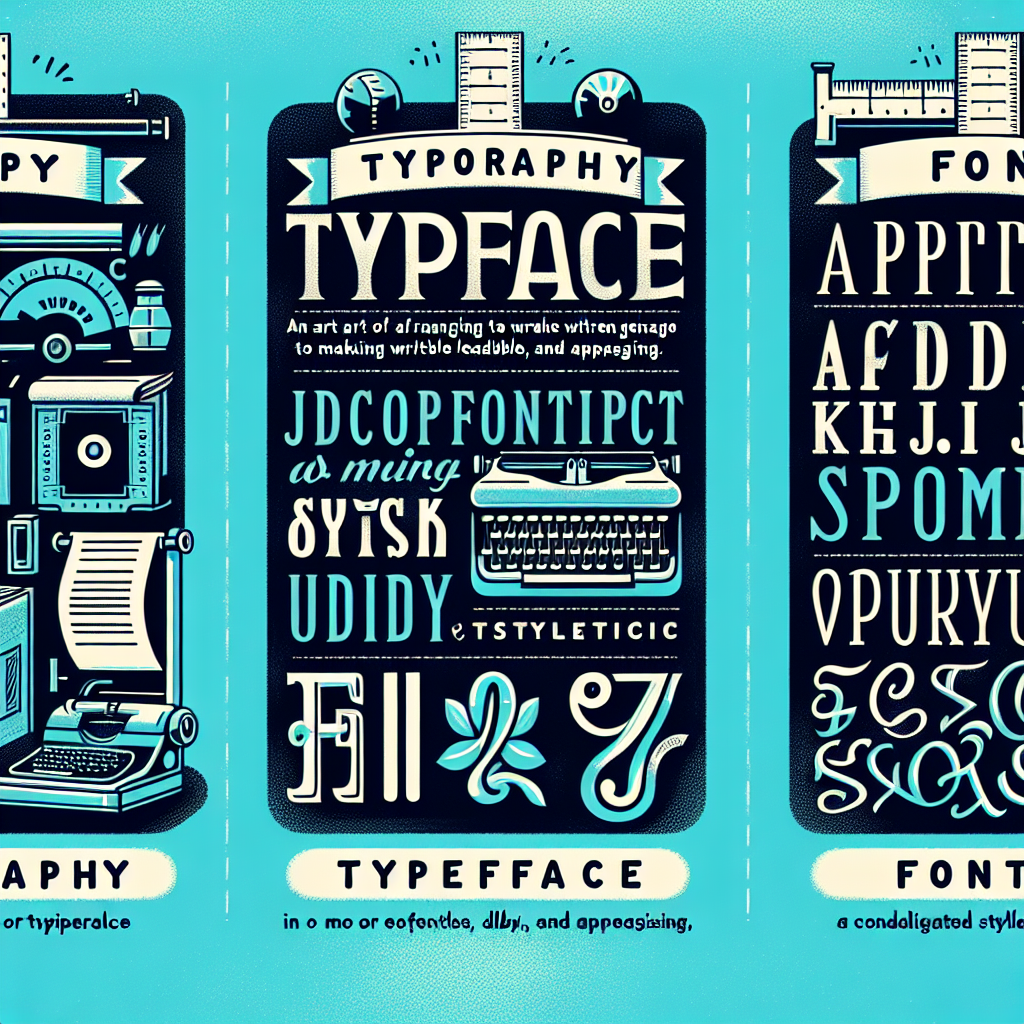
Typography, typeface, and font are terms that are often used interchangeably, but they actually refer to different aspects of design and printing. While they all play a crucial role in creating visually appealing and effective designs, understanding the differences between them can help designers and non-designers alike to better communicate and collaborate on projects. In this article, we will explore the definitions and distinctions of typography, typeface, and font, and how they work together to create impactful designs.
What is Typography?
Typography is the art and technique of arranging type in order to make written language legible, readable, and appealing when displayed. It involves selecting typefaces, point sizes, line lengths, line-spacing, and letter-spacing, and adjusting the space between pairs of letters. Typography also includes the use of color, images, and other design elements to enhance the overall visual appeal of a text.
Typography has a long history, dating back to the invention of the printing press in the 15th century. With the rise of digital technology, typography has evolved to include not only print media but also digital media such as websites, mobile apps, and e-books. In today’s digital age, typography plays a crucial role in creating a user-friendly and visually appealing experience for readers.
What is a Typeface?
A typeface is a set of one or more fonts that share a common design. It is a collection of letters, numbers, and symbols that have a consistent style, weight, and structure. Typeface is often used interchangeably with font, but they are not the same thing. A typeface is the design of the letters, while a font is the digital file that contains the typeface and allows it to be displayed on a screen or printed on paper.
For example, Times New Roman is a typeface, while Times New Roman Regular 12pt is a font. The typeface refers to the overall design of the letters, while the font refers to the specific style, size, and weight of the letters.
What is a Font?
A font is a digital file that contains a specific typeface and allows it to be displayed on a screen or printed on paper. It is a set of characters with a specific size, weight, and style. Fonts are used to create different variations of a typeface, such as bold, italic, or condensed.
There are two main types of fonts: serif and sans-serif. Serif fonts have small lines or strokes at the end of the letters, while sans-serif fonts do not. Serif fonts are often used for body text in print media, as they are considered more traditional and easier to read. Sans-serif fonts, on the other hand, are commonly used for headlines and titles in both print and digital media, as they are more modern and eye-catching.
Examples of Typography, Typeface, and Font
To better understand the differences between typography, typeface, and font, let’s look at some examples:
- Typography: The use of different typefaces, font sizes, and colors to create a visually appealing and easy-to-read website.
- Typeface: The design of the letters in the font “Helvetica”.
- Font: The digital file that contains the typeface “Helvetica” in different styles, such as regular, bold, and italic.
The Importance of Typography, Typeface, and Font in Design
Typography, typeface, and font are essential elements in design, as they can greatly impact the readability and visual appeal of a text. The right combination of typography, typeface, and font can make a design stand out and effectively convey the intended message. On the other hand, a poor choice of typography, typeface, or font can make a design look unprofessional and difficult to read.
For example, a website that uses a serif font for body text and a sans-serif font for headlines can create a harmonious and easy-to-read design. However, if the same website uses a mix of different typefaces and fonts, it can create a chaotic and confusing design that is hard to navigate.
Conclusion
In conclusion, typography, typeface, and font are three distinct but interconnected elements in design. Typography refers to the art and technique of arranging type, while typeface is the design of the letters, and font is the digital file that contains the typeface. Understanding the differences between these terms can help designers and non-designers alike to better communicate and collaborate on projects, resulting in more effective and visually appealing designs.
Next time you are working on a design project, remember to pay attention to the typography, typeface, and font choices, as they can make a significant difference in the overall impact of your design.